2026 Most Important Year to Compare Commercial Electricity Suppliers
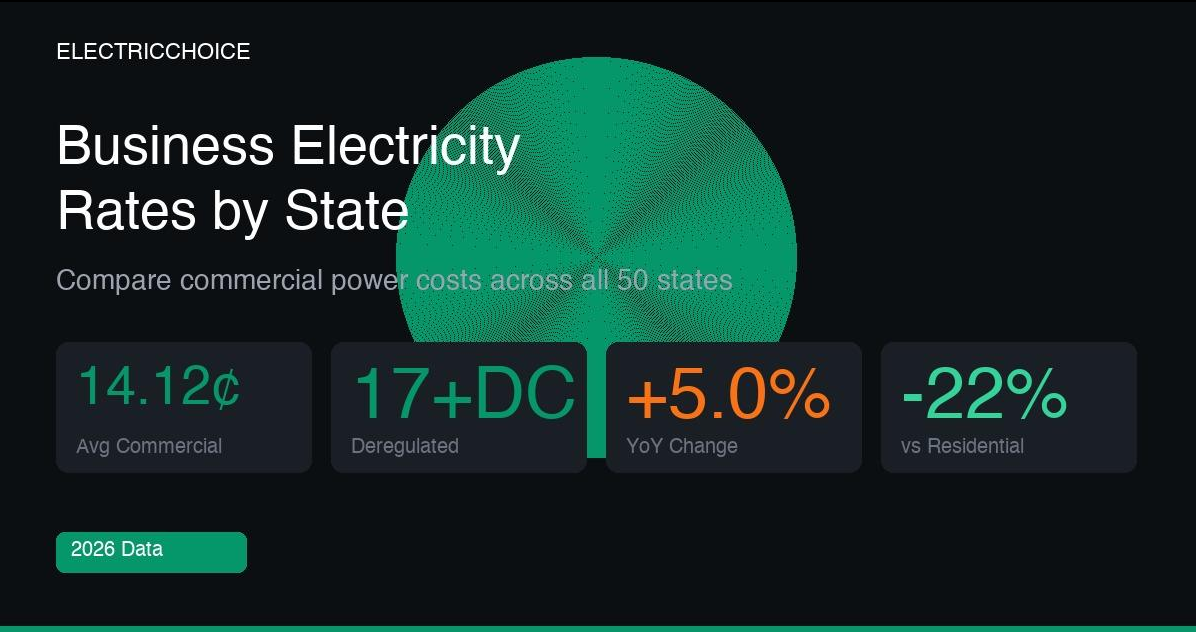
Businesses across the United States are entering one of the most volatile commercial electricity markets in years. Rising demand from artificial intelligence (AI) data centers, increasing transmission costs, tighter grid capacity, and regional supply constraints are all putting upward pressure on commercial electricity supply rates. For companies in deregulated energy markets, this creates both risk and opportunity especially for businesses that compare suppliers before renewing their electricity agreements.
Compare Commercial Energy Suppliers – Click Here
According to multiple 2026 energy market forecasts, electricity demand is accelerating rapidly due to AI infrastructure, hyperscale data centers, and electrification growth. Analysts expect higher pricing volatility in markets like PJM, ERCOT, NYISO, and ISO-New England, with capacity costs and peak-demand pricing becoming a major concern for commercial customers.
One of the biggest trends affecting commercial electricity pricing is the explosive growth of AI-powered data centers. These facilities consume enormous amounts of electricity 24 hours a day, creating additional stress on regional power grids and increasing wholesale electricity prices for businesses. Reports from Reuters, Deloitte, and other industry analysts show that utilities and grid operators are already investing billions into transmission upgrades and new generation capacity to keep up with demand growth.
For commercial businesses, this means that simply staying with the utility default supply rate or automatically renewing an existing agreement could become increasingly expensive. Many businesses are now seeing large differences between supplier pricing options depending on contract term, market timing, usage profile, utility territory, and risk structure. In volatile markets, even a small difference in cents per kWh can translate into thousands or even tens of thousands of dollars annually in additional electricity costs.
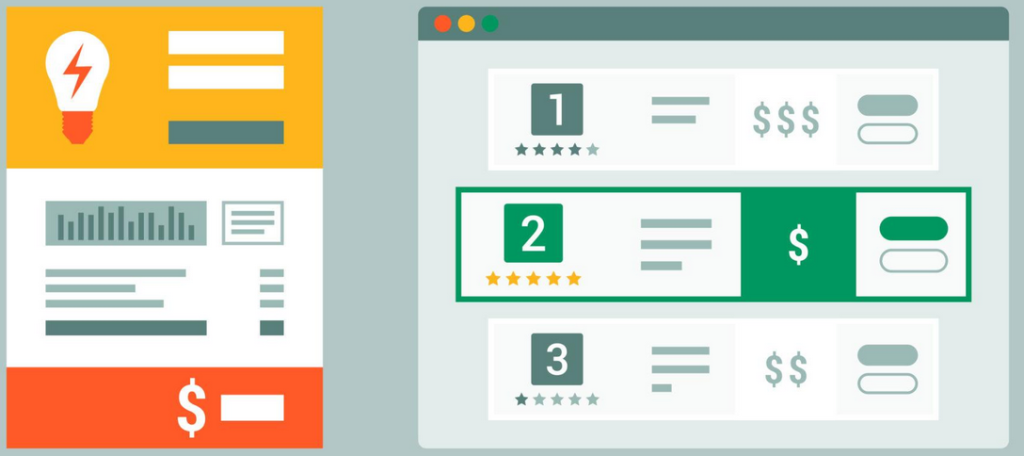
That is why more businesses are turning to Energy Auction platforms to instantly compare multiple commercial electricity suppliers in one place. Instead of contacting suppliers individually, an Energy Auction allows businesses to receive competing electricity offers from multiple suppliers simultaneously. This competitive bidding environment helps businesses identify lower fixed rates, compare contract structures, and secure more favorable terms before market conditions worsen.
Why Comparing Commercial Electricity Suppliers Matters More in 2026
1. Electricity Price Volatility Is Increasing
Forward electricity markets are showing larger swings due to grid congestion, transmission bottlenecks, fuel pricing, and capacity shortages.
2. AI Data Centers Are Reshaping Power Markets
AI-related power demand is becoming one of the largest structural shifts in electricity consumption in decades.
3. Utilities Are Passing Through Higher Infrastructure Costs
Transmission upgrades, reserve margins, and grid reliability projects are increasing costs across many deregulated states.
4. Supplier Pricing Can Vary Significantly
Different suppliers price risk differently. Comparing multiple offers often reveals substantial differences in fixed-rate pricing and contract flexibility.
5. Timing Matters
Commercial electricity prices can change daily. Locking a competitive rate at the right time may help businesses avoid future market increases.
How an Energy Auction Works
An Energy Auction platform simplifies the commercial electricity procurement process:
- Upload a recent utility bill or account information
- Multiple electricity suppliers review your usage profile
- Suppliers submit competitive pricing offers
- Compare fixed-rate plans, terms, and pricing structures instantly
- Select the lowest or most favorable commercial electricity rate online
This process helps businesses avoid overpaying while giving them transparency into current market pricing.
Industries That Benefit Most From Supplier Comparisons
Businesses with higher electricity usage often see the largest savings opportunities, including:
- Manufacturing facilities
- Restaurants and food processing
- Warehouses and distribution centers
- Retail chains
- Office buildings
- Schools and municipalities
- Healthcare facilities
- Hotels and hospitality groups
- Data-heavy operations and technology companies
The Bottom Line
Commercial electricity markets are changing rapidly. Between AI-driven demand growth, grid constraints, and rising infrastructure costs, businesses that actively compare electricity suppliers may have a significant advantage over those that simply renew existing contracts without reviewing alternatives.
Using an Energy Auction platform gives businesses the ability to compare multiple commercial electricity suppliers instantly, monitor changing market conditions, and potentially secure lower fixed electricity rates before prices move higher.
For businesses in deregulated energy markets, 2026 may become one of the most important years yet to actively shop and compare commercial electricity supply rates.
Energy Auctions – Click Here to Compare Commercial Electricity Suppliers